


Growing fresh food at home is easier than ever with a hydroponic tower. This innovative system allows you to cultivate vegetables, herbs, and greens vertically, saving space while providing optimal growing conditions. Perfect for apartments and urban homes, hydroponic towers make sustainable, year-round gardening accessible to everyone.
How Hydroponic Tower Gardening Works
A hydroponic tower uses a vertical structure where plants grow in stacked slots. Instead of soil, roots receive nutrient-rich water that circulates continuously. This method ensures plants get the right balance of nutrients, oxygen, and moisture, promoting faster growth and healthier harvests. Vertical hydroponic gardening is ideal for indoor spaces where traditional gardening is not feasible.
Key Benefits of Hydroponic Tower Systems
Hydroponic towers provide several advantages over conventional gardening. They save space, reduce water usage, and minimize maintenance. Plants grow faster because nutrients are delivered directly to their roots. The system also reduces the risk of pests and eliminates the need for soil, making indoor gardening cleaner and more manageable.
How Hydroponic Towers Promote Healthy Plant Growth
By delivering oxygenated, nutrient-rich water directly to the roots, hydroponic towers encourage strong root development and vibrant foliage. Controlled nutrient levels prevent deficiencies, while the consistent environment reduces plant stress. Many systems include grow lights to provide the perfect amount of light for indoor gardening, ensuring year-round growth.
Are Hydroponic Towers Easy for Beginners?
Yes, hydroponic towers are designed to be beginner-friendly. Most systems are easy to assemble and come with simple instructions. Once set up, daily maintenance is minimal, typically involving checking water and nutrient levels. This makes hydroponic towers a practical option for anyone looking to grow food at home without prior gardening experience.
Daily Convenience of Using a Hydroponic Tower
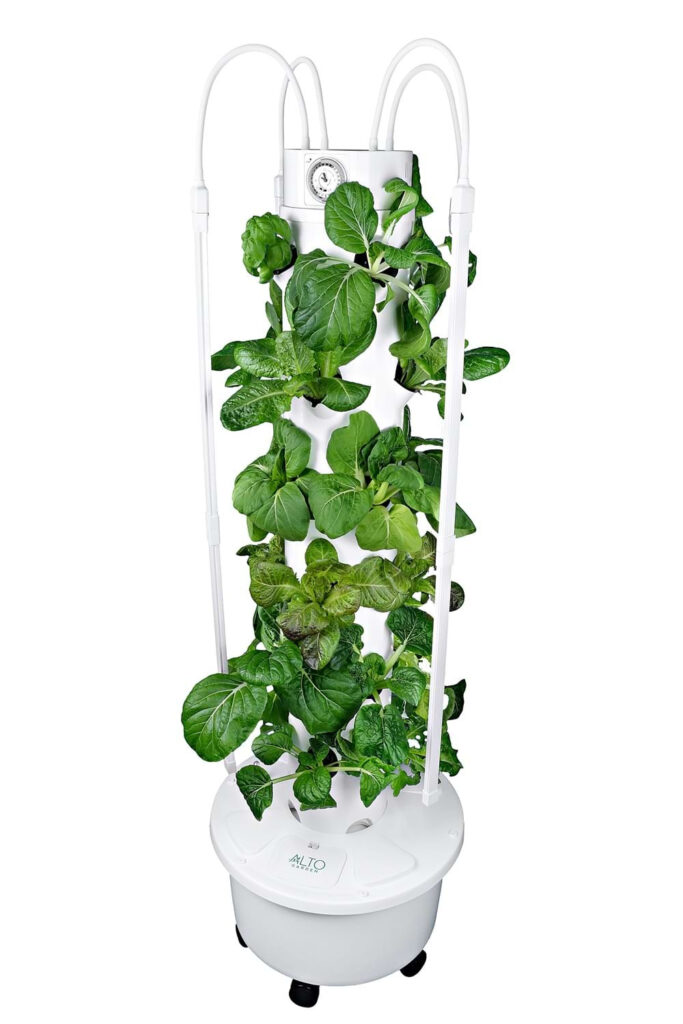
Hydroponic towers integrate seamlessly into daily life. Fresh herbs, leafy greens, and vegetables are always available, reducing the need for grocery trips. Their compact, vertical design fits in small spaces, making homegrown food accessible and convenient for urban living.
Understanding the Importance of a Grow Tower
A grow tower is essential for efficient vertical gardening. It ensures that all plants receive equal access to nutrients, water, and light. Improved airflow around the plants helps prevent mold and other diseases, supporting uniform growth and maximizing overall yield.
Indoor Hydroponic Towers with Grow Lights
Indoor hydroponic towers often feature built-in LED grow lights to replicate natural sunlight. These lights enable photosynthesis, allowing plants to thrive indoors regardless of external conditions. Indoor towers provide full control over light, water, and temperature, ensuring consistent growth throughout the year.
How to Choose the Right Hydroponic Tower System
When selecting a hydroponic tower, consider the number of plant sites, available space, and lighting needs. Systems like the GX Hydroponic Tower with Grow Lights from ALTO Garden are designed to be user-friendly and efficient. A reliable system should be durable, energy-efficient, and suitable for various plant types.
Environmental and Cost Advantages
Hydroponic towers are eco-friendly, conserving water and reducing pesticide use. They also lower grocery costs by providing a steady supply of fresh produce at home. Over time, this system is a sustainable and economical choice for those seeking healthy, homegrown food.
Conclusion
A hydroponic tower is a modern, efficient solution for urban gardening. Its vertical design, controlled nutrient delivery, and low-maintenance operation make it ideal for beginners and experienced gardeners alike. By adopting a hydroponic tower, you can enjoy fresh, organic produce year-round while making the most of limited space.
Frequently Asked Questions
What types of plants grow well in a hydroponic tower?
Leafy greens, herbs, strawberries, and small vegetables thrive in hydroponic tower systems.
How much maintenance does a hydroponic tower require?
Maintenance is minimal, usually involving checking water levels and nutrients a few times per week.
Can hydroponic towers be used indoors throughout the year?
Yes, especially systems with LED grow lights, which allow continuous indoor growing regardless of outdoor conditions.

