


Cutting corners on commercial flooring almost always costs more in the long run than doing it right the first time. Facilities that delay proper installation or hire an underqualified epoxy flooring contractor NJ often end up paying for repairs, downtime, and safety incidents that a proper system would have prevented from the start.
Honestly, this pattern shows up constantly across restaurants, warehouses, and food processing plants. A business saves a little money upfront by choosing a cheaper option, only to spend far more within a year or two fixing problems that proper surface preparation and materials would have avoided entirely.
What Happens When Concrete Is Left Untreated?
Untreated concrete in a commercial or industrial setting does not stay stable for long. Constant traffic, moisture, and chemical exposure gradually break down the surface, leading to dusting, cracking, and eventually structural weakness at the joints. What starts as a minor cosmetic issue often turns into a safety and operational problem within months.
Concrete dusting alone creates ongoing costs that many facility owners underestimate. Fine particles constantly shed from the surface, clogging HVAC filters, settling on inventory, and creating respiratory concerns for employees working in the space daily. Cleaning up dust repeatedly ends up costing far more over time than a proper coating would have upfront.
How Do Safety Incidents Tie Back to Poor Flooring?
Slip and fall injuries remain one of the most common and expensive workplace incidents, particularly in kitchens and food processing facilities where water, grease, and cleaning chemicals are constantly present on the floor. A worn or improperly coated surface significantly raises this risk with every shift that passes.
Beyond the immediate injury, these incidents often bring workers compensation claims, potential legal costs, and lost productivity while staff recover or while operations get disrupted. Anti slip epoxy flooring systems address this risk directly by creating consistent traction, even in wet or oily zones, which reduces incidents substantially compared to bare or degraded concrete.
What Does a Failed Coating Job Actually Cost a Business?
Not every flooring failure comes from skipping coatings entirely. Sometimes a business hires a contractor who skips proper surface preparation, and the coating peels or bubbles within months. At that point, the facility has to pay for both the failed coating removal and a completely new installation, essentially paying twice for one floor.
This is exactly why surface preparation, including diamond grinding to a proper concrete surface profile, matters so much. A coating applied over an improperly prepared surface simply will not bond correctly, no matter how good the materials themselves are. The preparation step is where most flooring failures actually originate.
- Coating removal and disposal costs from a failed installation
- A second round of materials and labor for reinstallation
- Extended facility downtime during the repeat project
- Lost trust in future flooring investment decisions
These hidden costs add up quickly, often exceeding what a properly installed system would have cost from the very beginning. It’s a frustrating outcome that happens more often than most business owners realize until they experience it firsthand.
How Does Downtime Affect the Bottom Line?
Every hour a restaurant, warehouse, or processing facility sits closed for flooring repairs is an hour of lost revenue. Facilities that choose contractors without a clear plan for rapid turnaround installation often face longer closures than necessary, simply because the project was not scheduled or executed efficiently from the start.
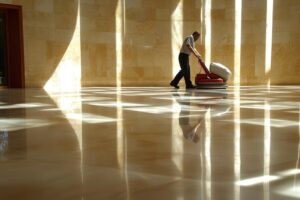
Professional systems using fast curing primers and body coats can often get a facility back to full operation within twenty four to forty eight hours after the final coat. That difference between a well planned project and a poorly managed one can mean the difference between losing a single weekend or losing an entire week of business.
For businesses that have already experienced a failed flooring project, working with a proven epoxy flooring contractor Edison, NJ the second time around tends to feel like a completely different experience, mainly because proper preparation and materials prevent the same problems from repeating themselves.
Why Does Long Term Performance Matter More Than Upfront Price?
It’s tempting to choose the lowest quote when comparing flooring options, but price alone rarely reflects the quality of preparation, materials, or long term durability behind the number. A properly installed system, backed by decades of experience, often costs a bit more upfront but avoids the repeat expenses that come with cutting corners.
Facilities that have supported forklift loads exceeding ten thousand pounds without delamination, or kitchens that have run for years without recoating, demonstrate what proper installation actually delivers. That kind of performance simply is not achievable with rushed preparation or lower grade materials, regardless of how the initial price compares.
Final Thoughts
Skipping professional flooring installation rarely saves money once you factor in repairs, downtime, and safety incidents down the road. The businesses that avoid these repeat costs are almost always the ones that invested properly the first time, working with contractors who understand commercial and industrial demands from the ground up.
If your facility is still relying on aging, cracked, or dusting concrete, the cost of waiting typically outweighs the cost of fixing it properly now, before a bigger problem forces an unplanned and far more expensive closure.
FAQs
Why does poor surface preparation cause coating failures?
Coatings need a properly profiled surface to bond correctly. Without diamond grinding and proper preparation, coatings often peel or bubble within months.
How much does downtime typically cost a facility during repairs?
Costs vary by facility, but poorly planned projects often extend closures unnecessarily, while professional installations can return operations within twenty four to forty eight hours.
Is a higher upfront price worth it for commercial flooring?
Often yes, since properly installed systems avoid repeat repair costs, extended downtime, and safety incidents that cheaper, poorly prepared floors tend to cause.

